10% Off Today
14 Nights 15 Days
Tsum Valley Trek
No Ratings yet
Free Cancellation 30 Days Before Tour Starting Date
- Overview
- Itinerary
- Costing
- Support
- FAQ
Tsum Valley Trek Overview
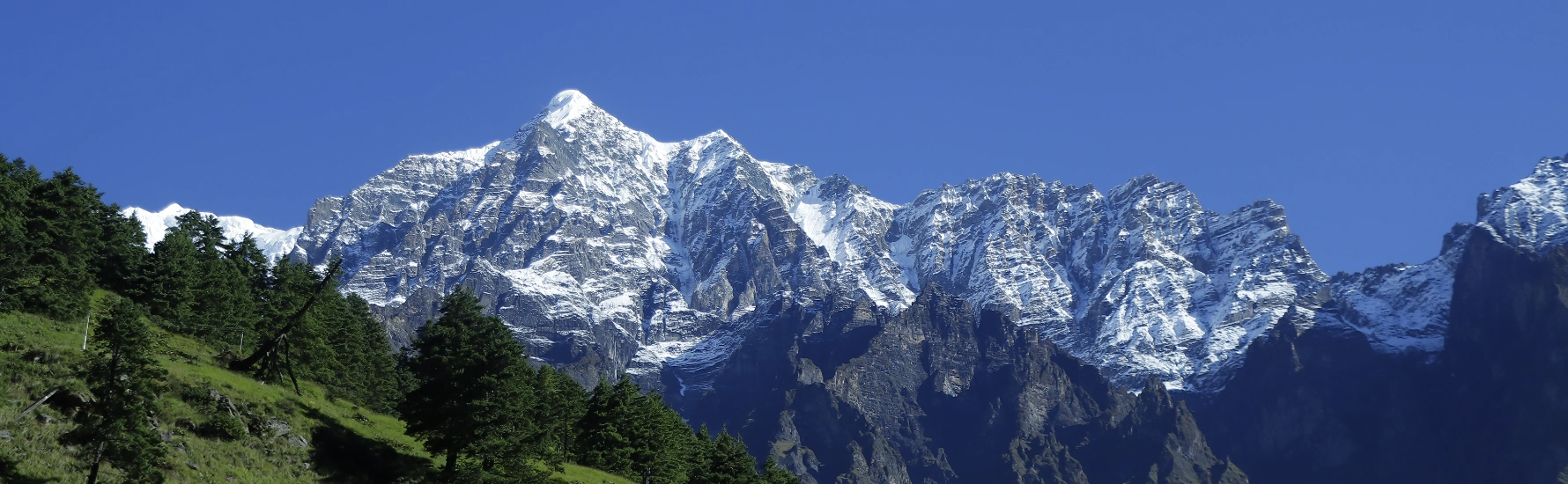
The Tsum Valley Trek is a hidden gem in the remote Manaslu region, offering a unique blend of untouched landscapes and deep-rooted Tibetan Buddhist culture. Starting from Kathmandu and trekking from Machha Khola, the journey gradually leads into a secluded valley that remained closed to outsiders until recent years. Unlike busier trekking routes, the Tsum Valley Trek provides a peaceful and authentic experience, making it ideal for travelers seeking solitude and cultural immersion.
As the trail ascends, trekkers pass through traditional villages like Chumling and Chhekampar, where ancient customs and Tibetan-influenced lifestyles are still preserved. The valley is considered a sacred “hidden valley” in Buddhism, filled with monasteries, mani walls, and prayer flags that create a deeply spiritual atmosphere. The landscape also transforms dramatically, from lush forests and river gorges to open alpine terrain near Nile.
The highlight of the Tsum Valley Trek is reaching Mu Gompa, an ancient monastery set at around 3700 meters, offering breathtaking Himalayan views and a sense of profound tranquility. With its combination of cultural richness, scenic diversity, and fewer crowds, the Tsum Valley Trek stands out as one of Nepal’s most rewarding off-the-beaten-path adventures, perfect for those looking to experience a more authentic side of the Himalayas.
Outline Program:
Day 01: Arrival in Kathmandu, transfer to the hotel (1310M / 1 Hour) (No meals)
Day 02: Free day in Kathmandu for self exploration, permit preparations (1310M / Full Day) (B)
Day 03: Drive to Machha Khola (900M / 7–9 Hours) (160 KM) (B, L, D)
Day 04: Trek to Jagat (1339M / 6–7 Hours) (20 KM) (B, L, D)
Day 05: Trek to Lokpa (2260M / 6–7 Hours) (12 KM) (B, L, D)
Day 06: Trek to Chumling (2385M / 4–5 Hours) (8 KM) (B, L, D)
Day 07: Trek to Chhekampar (3010M / 5–6 Hours) (9 KM) (B, L, D)
Day 08: Trek to Nile (3360M / 4–5 Hours) (7 KM) (B, L, D)
Day 09: Trek to Mu Gompa (3700M / 3–4 Hours) (5 KM) (B, L, D)
Day 10: Trek back to Chhekampar (3010M / 4–5 Hours) (12 KM) (B, L, D)
Day 11: Trek back to Lokpa (2260M / 7–8 Hours) (25 KM) (B, L, D)
Day 12: Trek back to Jagat (1339M / 4–5 Hours) (12 KM) (B, L, D)
Day 13: Trek back to Machha Khola (900M / 5–6 Hours) (20 KM) (B, L, D)
Day 14: Drive back to Kathmandu (1310M / 7–9 Hours) (160 KM) (B, L)
Day 15: Departure from Kathmandu (1310M / 1 Hour) (B)
Tsum Valley Trek Highlights
Tsum Valley offers a remote Himalayan experience with untouched nature and deep spiritual atmosphere.
Villages like Chhekampar and Nile preserve authentic Tibetan culture and traditions.
Mu Gompa provides stunning views and a peaceful spiritual retreat high in the mountains.
The Manaslu Conservation Area features diverse wildlife, forests, and dramatic landscapes.
Views of Ganesh Himal create breathtaking Himalayan panoramas throughout the trek.
Crossing the Budhi Gandaki River adds adventure with scenic suspension bridges.
Mani walls, chortens, and prayer flags reflect the strong Buddhist heritage of Tsum Valley.
Compared to other routes in Nepal, this trek offers rare solitude and authenticity.
Tsum Valley Trek Itinerary
DayArrival in Kathmandu, transfer to the hotel
DURATION
1 Hour(s)
DIFFICULTY
Easy
DISTANCE
6 KM
ALTITUDE
1310 M
Upon your arrival at Tribhuvan International Airport in Kathmandu, our representative will warmly welcome you outside the terminal with a name sign, assist with your luggage, and transfer you by private vehicle to your hotel, where you will check in and relax, followed by a short briefing about your trek program depending on your arrival time.
Hotel Thamel Park or Similar
DayFree day in Kathmandu for self exploration, permit preparations
DIFFICULTY
Easy
ALTITUDE
1310 M
Today is a free day in Kathmandu, giving you time to explore the city at your own pace, whether that means wandering through lively markets, visiting cultural sites, or relaxing at a café. You can take in the unique blend of ancient traditions and modern life that defines Kathmandu. Meanwhile, our team will handle all the necessary trekking permit preparations and logistics for your upcoming journey. This ensures everything is in place so you can start your trek smoothly and without any hassle.
Breakfast
Hotel Thamel Park or Similar
DayDay 03: Drive to Machha Khola
DURATION
7-9 Hour(s)
DIFFICULTY
Moderate
DISTANCE
160 KM
ALTITUDE
900 M
Today we begin our journey with a scenic drive from Kathmandu towards Machha Khola, passing through winding mountain roads, rivers, and beautiful rural landscapes along the way. The drive takes around 7–9 hours covering approximately 160 km, offering plenty of chances to enjoy the changing scenery of hills, villages, and terraced fields. Upon arrival at Machha Khola, you will settle into a local lodge and relax after the long journey.
Breakfast, Lunch, Dinner
Guest House
DayTrek to Jagat
DURATION
6-7 Hour(s)
DIFFICULTY
Moderate
DISTANCE
20 KM
ALTITUDE
1339 M
Today we begin our trekking journey from Machha Khola towards Jagat, walking through beautiful river valleys, suspension bridges, and small traditional villages along the Budhi Gandaki River. The trail gradually ascends through lush forests, terraced fields, and rocky paths, offering a mix of natural beauty and cultural encounters along the way. After around 6–7 hours of trekking covering approximately 20 km, we reach the charming village of Jagat, where we rest and stay overnight.
Breakfast, Lunch, Dinner
Guest House
DayTrek to Lokpa
DURATION
6-7 Hour(s)
DIFFICULTY
Moderate
DISTANCE
12 KM
ALTITUDE
2260 M
Today we continue our trek from Jagat towards Lokpa, gradually ascending through changing landscapes of dense forests, deep gorges, and quiet hillside trails. The route becomes more remote as we move deeper into the Manaslu region, offering peaceful surroundings and beautiful views of the surrounding hills and rivers. After about 6–7 hours of trekking covering roughly 12 km, we arrive at Lokpa, a small settlement that serves as the gateway to the Tsum Valley, where we rest for the night.
Breakfast, Lunch, Dinner
Guest House
DayTrek to Chumling
DURATION
4-5 Hour(s)
DIFFICULTY
Easy
DISTANCE
8 KM
ALTITUDE
2382 M
Today we leave Lokpa and trek towards Chumling, entering deeper into the peaceful and restricted Tsum Valley region. The trail gradually ascends through pine forests, suspension bridges, and scenic mountain paths with beautiful views of the surrounding hills and distant peaks. After about 4–5 hours of trekking covering approximately 8 km, we reach the traditional village of Chumling, where we rest and spend the night surrounded by authentic Tibetan-influenced culture.
Breakfast, Lunch, Dinner
Guest House
DayTrek to Chhekampar
DURATION
5-6 Hour(s)
DIFFICULTY
Moderate
DISTANCE
9 KM
ALTITUDE
3010 M
Today we continue our journey deeper into the Tsum Valley, leaving Chumling and gradually ascending through peaceful landscapes filled with pine forests, terraced fields, and traditional stone villages. The trail offers a mix of gentle climbs and some steeper sections, with stunning views of surrounding hills and glimpses of Ganesh Himal in the distance. Along the way, we pass small settlements and cross suspension bridges that add both charm and adventure to the trek. By afternoon, we arrive at the culturally rich village of Chhekampar, where we settle in and experience the unique Tibetan-influenced lifestyle of the region.
Breakfast, Lunch, Dinner
Guest House
DayTrek to Nile
DURATION
4-5 Hour(s)
DIFFICULTY
Moderate
DISTANCE
7 KM
ALTITUDE
3360 M
Today we leave Chhekampar and continue our ascent deeper into the upper Tsum Valley, following peaceful trails that wind through traditional villages, stone walls, and open alpine landscapes. The route gradually becomes more remote and scenic, with wider valley views and a noticeable shift toward a more rugged Himalayan environment. Along the way, we pass small monasteries and prayer flags fluttering in the wind, reflecting the strong spiritual presence of the region. By afternoon, we reach the quiet village of Nile, where we rest and experience the serene atmosphere of high-altitude mountain life.
Breakfast, Lunch, Dinner
Guest House
DayTrek to Mu Gompa
DURATION
3-4 Hour(s)
DIFFICULTY
Moderate
DISTANCE
6 KM
ALTITUDE
3700 M
Today we leave Nile and trek towards the sacred monastery of Mu Gompa, following a gradually ascending trail through barren alpine landscapes, yak pastures, and open valleys surrounded by towering Himalayan peaks. The route is peaceful and spiritual, with prayer flags, mani walls, and stunning mountain views accompanying us throughout the journey. As we gain elevation, the scenery becomes more rugged and dramatic, reflecting the remote beauty of the upper Tsum region. By afternoon, we arrive at Mu Gompa, where we explore the monastery and enjoy the serene atmosphere of this high-altitude spiritual retreat.
Breakfast, Lunch, Dinner
Guest House
DayTrek back to Chhekampar
DURATION
4-5 Hour(s)
DIFFICULTY
Moderate
DISTANCE
12 KM
ALTITUDE
3010 M
Today we begin our return journey from Mu Gompa, retracing our steps back through the upper Tsum Valley with descending trails that offer a fresh perspective of the surrounding mountains and landscapes. The route gradually leads us down through open valleys, traditional villages, and peaceful paths lined with prayer flags and mani walls, allowing more time to soak in the cultural and natural beauty of the region. As we descend, the air becomes warmer and the scenery more lush compared to the higher alpine terrain. By afternoon, we arrive back at Chhekampar, where we rest and reflect on the spiritual experience of the upper valley.
Breakfast, Lunch, Dinner
Guest House
DayTrek back to Lokpa
DURATION
7-8 Hour(s)
DIFFICULTY
Moderate
DISTANCE
25 KM
ALTITUDE
2260 M
Today we continue our descent from Chhekampar, retracing our steps through the scenic trails of the Tsum Valley while enjoying a different perspective of the landscapes we passed earlier. The route takes us through familiar villages, forested sections, and suspension bridges, gradually transitioning from the high valley into more lush and dense greenery. The long but rewarding walk offers plenty of opportunities to reflect on the cultural richness and natural beauty of the region. By evening, we arrive at Lokpa, where we rest after a full day of trekking.
Breakfast, Lunch, Dinner
Guest House
DayTrek back to Jagat
DURATION
4-5 Hour(s)
DIFFICULTY
Easy
DISTANCE
12 KM
ALTITUDE
1339 M
Today we continue our descent from Lokpa, following the familiar trails through forests, river valleys, and small settlements as we gradually move back toward lower elevations. The path offers a mix of gentle downhill sections and occasional flat stretches, with the Budhi Gandaki River accompanying much of the journey. Along the way, we cross suspension bridges and pass through traditional villages, enjoying the peaceful natural surroundings. By afternoon, we arrive at Jagat, where we settle in for the night.
Breakfast, Lunch, Dinner
Guest House
DayTrek back to Machha Khola
DURATION
5-6 Hour(s)
DIFFICULTY
Moderate
DISTANCE
20 KM
ALTITUDE
900 M
We will return trek back to Machha Khola, following the familiar river valley trail through forests, small villages, and suspension bridges, with beautiful views of terraced hills and the surrounding Himalayan foothills. The walk feels easier and more relaxed as you descend into warmer, greener landscapes, giving you time to reflect on the journey while enjoying the peaceful rural scenery and the sounds of the river, before arriving back at the riverside settlement of Machha Khola.
Breakfast, Lunch, Dinner
Guest House
DayDrive back to Kathmandu
DURATION
7-9 Hour(s)
DIFFICULTY
Moderate
DISTANCE
160 KM
ALTITUDE
1310 M
Take scenic drive back to Kathmandu, transitioning from the quiet rural hills to the vibrant energy of the capital city as you travel along winding roads, river valleys, and small roadside towns. The journey offers beautiful final glimpses of Nepal’s diverse landscapes—lush hillsides, terraced fields, and rushing rivers—before gradually reaching the bustling streets, markets, and cultural atmosphere of Kathmandu, marking the end of an unforgettable trekking adventure.
Breakfast, Lunch
Hotel Thamel Park or Similar
DayDeparture from Kathmandu
DURATION
1 Hour(s)
DIFFICULTY
Easy
DISTANCE
6 KM
ALTITUDE
1308 M
This is the final day of your journey in Nepal, with a smooth transfer from your hotel to the airport. It’s a short and comfortable drive through the city as you leave behind the lively streets, temples, and mountain views, taking with you unforgettable memories of your trekking adventure in the Himalayas.
Breakfast
Provisions
What is included in the package?
Airport pickup and drop off services by private vehicle
Accommodation in Kathmandu for 3 Nights as per the itinerary
(Hotel Thamel Park or Similar)Meals on full board [Breakfast, Lunch and Dinner] during the trek
Accommodation on tea houses as per the itinerary during the trek
Manaslu Conservation Area Project entry permit
Nepal Immigration restricted area special entry permit
Experienced English speaking, government licensed and ministry of tourism trained trekking guide with meals, accommodation, salary and insurance
Assistant trekking guide for groups over 6 people with meals, accommodation, salary and insurance
Down jacket, four seasonal sleeping bag, duffel bag and trekking map
(down jacket and sleeping bag are to be returned after trip completion)Comprehensive first aid medical kit equipped with an Oximeter
Seasonal fresh fruits, cookies, and water purification tablets (with advance notice) during the trek
Necessary paper works, all government, and local taxes, company service charges
((No hidden - surprise fees))Worst-case rescue and medical evacuation assistance (at your expense or covered by your travel insurance)
((Cost to be borne by the rescued or his / her insurance company))
Optional Addons(Available during checkout)
- Porter
What is not included in the package?
International airfare, Nepal visa fees, travel and medical insurance, emergency evacuation
Personal nature expenses
((bars and beverage bills, hot shower, telephone, laundry, tidbits, etc.))Costs arising from natural calamities, mishaps, or anything beyond our control
((Costs are not refundable and transferable by any means if you leave the trek voluntarily and want to return from the trek))Lunch and dinner in Kathmandu
((also in the case of early returns and late departures than the scheduled itinerary))Tipping for guides and porters
((Tipping is a culture in Nepal and is expected by your staffs at the end of the their service))Services not mentioned in the 'Services Includes' section
((Please ask us if you are confused about any services))
Important Information on Tsum Valley Trek
A Typical Day on the Tsum Valley Trek
A typical day on the Tsum Valley Trek unfolds in a calm and natural rhythm that is closely connected with the mountain environment and local village lifestyle. The day usually begins early in the morning as sunlight slowly spreads across the Himalayan hills, revealing stunning views of terraced fields, rivers, and snow-dusted peaks in the distance. After a warm breakfast at the teahouse, trekkers set off on well-established but remote trails that lead through dense pine and rhododendron forests, suspension bridges over roaring rivers, and culturally rich villages influenced by Tibetan Buddhism. The walking pace is steady and non-competitive, allowing time to pause for photographs, interact with friendly locals, and observe daily life in one of Nepal’s most preserved hidden valleys. Lunch is typically enjoyed at a small teahouse along the trail, where fresh, simple meals provide energy for the afternoon walk. After a few more hours of trekking, you arrive at the overnight stop, where evenings are quiet and peaceful. Most trekkers spend the evening relaxing in the dining hall around a stove, sharing stories, enjoying hot meals, and preparing for the next day’s journey in the serene Himalayan atmosphere.
Meals and Food Facilities
Food on the Tsum Valley Trek is basic yet nutritious, designed to sustain trekkers through long walking days in a remote environment. The teahouse menus are surprisingly diverse considering the isolation, offering traditional Nepali dishes like dal bhat (rice, lentil soup, seasonal vegetables, and pickles), which is considered the most energy-rich and reliable meal for trekkers. In addition, you will find simple international options such as fried rice, noodles, Tibetan bread, porridge, soups, and occasionally pasta or potatoes prepared in different styles. As the trail ascends deeper into the valley, food variety gradually decreases, but meals remain freshly cooked, filling, and satisfying. Locally grown ingredients such as barley, potatoes, buckwheat, and seasonal vegetables are commonly used. Hot beverages like milk tea, black tea, ginger lemon honey tea, and instant coffee are widely available and become a comforting part of daily trekking life, especially in colder sections. Hygiene standards are generally good for such a remote region, and meals are prepared fresh for each group, making food both safe and nourishing throughout the journey.
Accommodation Facilities
Accommodation during the Tsum Valley Trek is mainly in traditional teahouses and simple guesthouses that reflect the remote and authentic character of the region. Rooms are usually twin-sharing with basic wooden beds, mattresses, blankets, and sometimes pillows provided. In lower villages, facilities may include slightly more developed lodges with attached dining areas and limited amenities, while in higher and more remote settlements, accommodations become more rustic and minimalist. Bathrooms are mostly shared and may be Western-style or squat toilets depending on the location, and hot showers are available in some villages for an additional charge, though availability becomes limited at higher altitudes. Despite the simplicity, the hospitality of local families makes the experience warm and welcoming, often giving trekkers a sense of being part of the community. The dining area is usually the heart of each teahouse, where trekkers gather around a stove or fireplace in the evening, enjoying warmth, food, and conversation after a long day on the trail. This simple living style is an important part of the trekking experience and adds authenticity to the Tsum Valley journey.
Communication and Connectivity
Communication facilities in the Tsum Valley are limited and become increasingly unreliable as you move deeper into the valley. In the lower sections of the trek, mobile networks such as Nepal Telecom or Ncell may provide occasional coverage, but signals are often weak and inconsistent. As you ascend toward higher villages, mobile connectivity may disappear completely for several days. Some teahouses offer paid Wi-Fi services powered by solar energy or satellite connections, but the speed is usually slow and only suitable for basic messaging or emergency communication. Because of this, trekkers are strongly advised to inform family and friends in advance that communication will be limited during certain parts of the trek. This lack of connectivity is often seen as a positive aspect of the journey, allowing trekkers to disconnect from digital distractions and fully immerse themselves in the natural beauty and cultural richness of the Himalayas. Emergency communication is typically handled through guides, who may carry satellite phones or have access to local networks when necessary.
Guides and Porters
Guides and porters play a crucial role in making the Tsum Valley Trek safe, meaningful, and enjoyable, especially due to the region’s remoteness and cultural sensitivity. Licensed trekking guides are highly knowledgeable about the trail conditions, weather patterns, altitude challenges, and local customs. They also serve as cultural interpreters, helping trekkers understand the unique Tibetan-influenced traditions, monasteries, prayer flags, and spiritual significance of the valley. Many guides are from nearby regions and have deep personal connections to the landscapes and communities along the route, which enriches the overall experience with authentic storytelling and local insight. Porters are equally important, carrying heavy trekking bags so that travelers can walk comfortably with a lighter daypack. This significantly reduces physical strain and allows trekkers to fully enjoy the scenery and cultural encounters. Porters and guides are generally well-trained, insured, and treated according to responsible trekking practices, ensuring ethical and sustainable tourism that supports local livelihoods.
Safety and Trekking Conditions
Safety on the Tsum Valley Trek is generally good, especially when trekking with experienced guides and proper preparation. The trail itself is well-defined but remote, with sections that can be steep, rocky, or affected by weather conditions such as rain, landslides, or occasional snowfall depending on the season. Because the region is less developed, medical facilities are very limited, making prevention and preparedness extremely important. Trekkers are advised to carry appropriate gear such as warm clothing, waterproof layers, trekking boots, and basic first aid supplies. Weather in the Himalayas can change quickly, shifting from clear sunshine to fog or rain within hours, so flexibility and caution are essential. Traveling with a guide greatly improves safety, as they are trained to assess risks, choose safe routes, and respond to emergencies if needed. Overall, while the trek is considered moderate in difficulty, its remote nature requires respect, awareness, and good physical preparation to ensure a safe and enjoyable journey.
Altitude Sickness and Acclimatization
Altitude sickness is one of the most important considerations on the Tsum Valley Trek due to the gradual ascent into higher elevations over several days. As trekkers move higher, oxygen levels decrease, which can lead to symptoms such as headache, nausea, dizziness, loss of appetite, and fatigue if the body does not acclimatize properly. The itinerary is designed with gradual elevation gain and rest stops in key villages to help the body adjust naturally. It is strongly recommended to walk at a slow and steady pace, drink plenty of water, and avoid alcohol or excessive physical exertion during the trek. Proper acclimatization is key to a successful journey, and most trekkers adapt well when following recommended guidelines. In case symptoms worsen, the best and safest solution is immediate descent to a lower altitude, as altitude sickness should never be ignored. Guides are trained to monitor trekkers’ health and take necessary precautions if symptoms appear. With proper awareness, preparation, and a sensible trekking approach, the risk of altitude sickness can be effectively managed, allowing trekkers to safely enjoy the breathtaking beauty of the Tsum Valley.
Tsum Valley Trek FAQ
The Tsum Valley Trek is famous for its untouched natural beauty, remote Himalayan landscapes, and rich Tibetan Buddhist culture. Often called a “hidden valley,” it offers ancient monasteries, traditional villages, prayer walls, and stunning views of the Ganesh Himal range, making it one of Nepal’s most spiritual and less-crowded trekking routes.
The Tsum Valley Trek is considered a moderate trekking route. It does not require technical climbing skills, but it involves long walking days on remote and uneven trails with gradual altitude gain. Good fitness, endurance, and proper acclimatization are important for a comfortable experience.
The best time for the Tsum Valley Trek is during spring (March to May) and autumn (September to November). These seasons offer stable weather, clear mountain views, and comfortable trekking conditions. Spring brings blooming rhododendrons, while autumn provides crisp skies and excellent visibility.
Yes, a licensed guide is required for the Tsum Valley Trek as it lies in a restricted region of Nepal. A guide ensures safety, helps with navigation, manages permits, and provides cultural insights, making the trekking experience smoother and more meaningful.
Accommodation on the Tsum Valley Trek mainly consists of basic teahouses and guesthouses. Rooms are simple with twin beds and shared bathroom facilities. While facilities are basic, the hospitality of local families and the warm dining areas make the stay comfortable and welcoming.
Trekkers can enjoy simple and freshly prepared meals such as dal bhat, noodles, rice, soups, potatoes, and Tibetan bread. As the region is remote, food choices become more limited at higher altitudes, but meals remain nutritious and filling throughout the trek.
Yes, altitude sickness can be a risk as the trek gradually reaches higher elevations. However, proper acclimatization, slow walking pace, hydration, and rest days significantly reduce the risk. Guides also monitor symptoms and help ensure trekkers stay safe throughout the journey.
Communication is limited on the Tsum Valley Trek. Mobile networks may work in lower areas but become unreliable in higher regions. Some teahouses offer paid Wi-Fi, but it is slow and inconsistent. Trekkers should be prepared for limited connectivity.
Yes, trekkers need a Restricted Area Permit (RAP) for Tsum Valley, along with the Manaslu Conservation Area Permit (MCAP). These permits are mandatory and must be arranged through a registered trekking agency with a licensed guide.
The Tsum Valley Trek is unique because it remains one of Nepal’s most isolated and culturally preserved regions. Unlike popular trekking routes, it offers fewer crowds, deep Tibetan Buddhist traditions, ancient monasteries, and a strong sense of untouched Himalayan lifestyle, making it ideal for cultural and spiritual exploration.
Related Tours
Checkout All the tours similar to Tsum Valley Trek
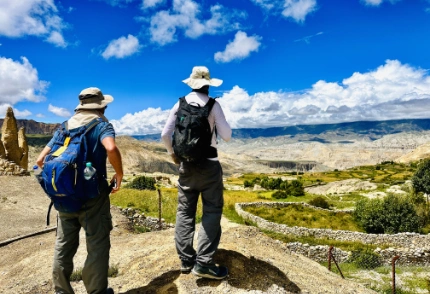
Upper Mustang Trek17 Days
Reviews
DESTINATION
Nepal
ACTIVITY
Trekking
DIFFICULTY
Moderate
FromUSD 1,778/ pax
View More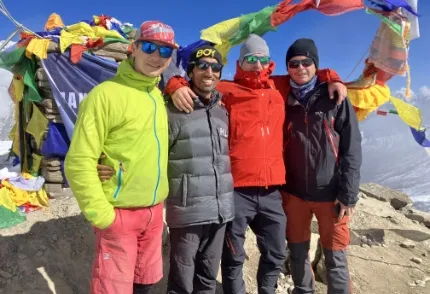
Best Seller
Manaslu Circuit Trek16 Days
Reviews
DESTINATION
Nepal
ACTIVITY
Trekking
DIFFICULTY
Challenging
FromUSD 842/ pax
View More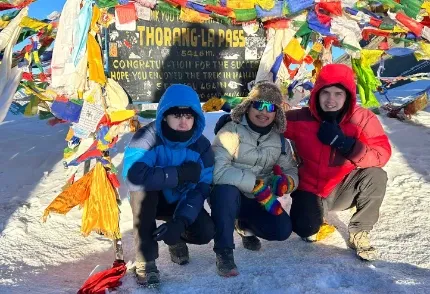
Annapurna Circuit Trekking16 Days
Reviews
DESTINATION
Nepal
ACTIVITY
Trekking
DIFFICULTY
Moderate
FromUSD 808/ pax
View More